

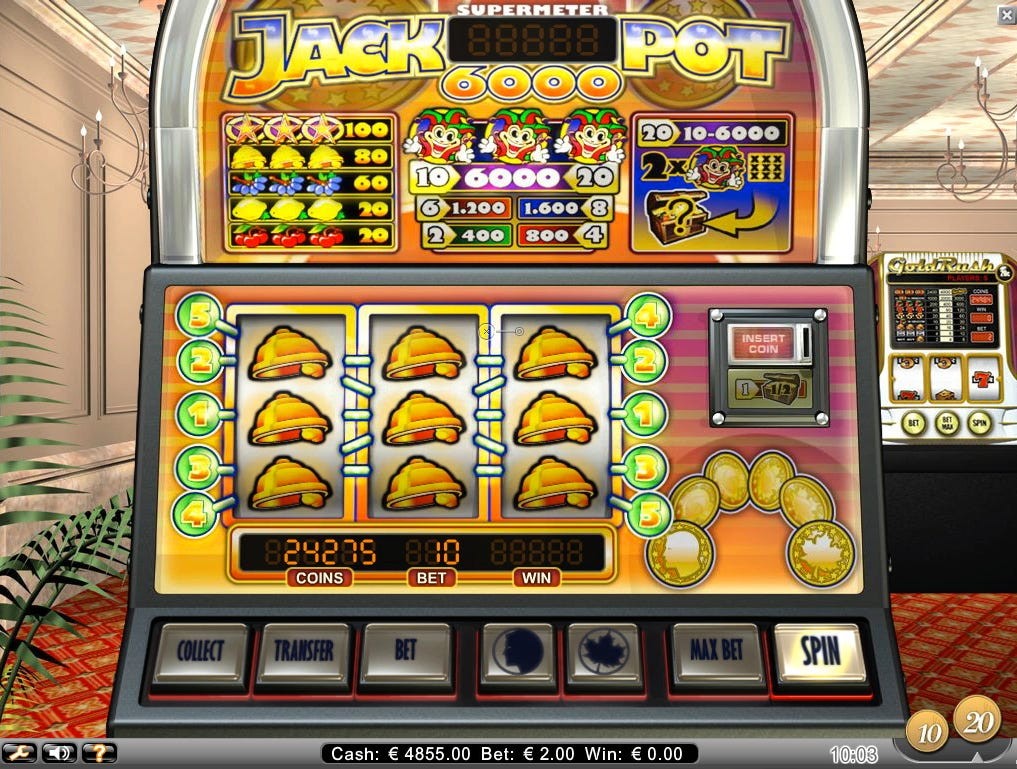

Jackpot 6000 On Mobile In Norway
How to get started, set limits, make deposits, take breaks, and track withdrawals in Jackpot 6000 - for 18+ in Norway.
Jackpot 6000 Game On Mobile And PC
The first choice is simpler than many think: where do you want to play, and for how long? Mobile provides speed and accessibility, while PC often offers more calm, a larger screen, and fewer accidental touches. In Norway, the game is typically available via various platforms that offer casino games to adult users, and the smartest thing you can do is start with a setup that suits your daily life - not an ideal version of yourself.
Imagine you have ten minutes on the sofa before you go out. You open the lobby, are met with many choices, and feel a little impatient. That's when you should switch to a simple routine: open, check balance, choose one game, set a stopping point, and finish when you're done.
It sounds strict, but in practice, it makes everything easier. You don't have to look for where to find settings, you don't lose track of your bets, and you can actually enjoy the session without being annoyed by little things like notifications, lagging, or too many menus. The goal is not to play more - the goal is to play more orderly.
All promotional incentive structure is clearly stated in writing and/or via electronic means in an easily understood manner. All codes are accompanied by an explanation of what the code is for, who is eligible to use the code, and how it should be used. As such, players are less likely to be confused about what is required of them in order to receive a reward and how the reward will be applied after receiving it. The promotional incentives provided to participants provide them with time to become familiar with the gaming system's mechanics, their interface, and progress, before deciding how deeply they wish to become involved with this platform. Therefore, players are encouraged to participate in an informed manner, rather than being pressured or tempted to act quickly.
How To Set Limits Before You Start
Limits are not something you add on top of a session. They are the framework itself. This means: decide on a maximum duration, a maximum amount you can lose without regret, and a rule for when you take a break. When you set this first, the rest becomes an execution, not an internal discussion every five rounds.
Imagine you've just had a good streak and are tempted to "just continue a bit longer." Many end up moving the goal while they play, and then both time and budget disappear. A better solution is to lock the framework early: choose a session length, set a deposit limit, and use a reality check or reminder if the platform offers it.
It's also wise to consider your mood. If you're tired, stressed, or irritated, your choices will be quicker and poorer. Then you can adjust immediately: lower stakes, shorter session, and a clear pause button available. 18+ is not just about age - it's about taking responsibility for your pace.
Deposits And Withdrawals Without Hassle
Money moves fast on mobile. It's practical, but it also means you should consciously slow down at the most important moments: before depositing, before withdrawing, and when changing account settings. Do one thing at a time, and check the history afterwards. That habit is often enough to avoid the classic mistakes.
Imagine you're on the go, coverage is a bit spotty, and you feel like pressing "confirm" again because you became unsure. It's completely normal to think that way. The best thing you can do, however, is to stop, open the transaction overview, and check the status, instead of creating double work with multiple attempts.
Choose A Payment Method With Clarity
Choose a method you know and that provides clear confirmations. Don't chase "fastest possible" in theory - go for what feels stable in practice. On small screens, it's easy to overlook amounts or incorrect accounts, so take two extra seconds: read the amount aloud to yourself, check that your limit is still set, and only then confirm.
Imagine you're in a queue and want to make a small deposit before moving on. You get interrupted, your phone vibrates, and you lose focus. The smart way is to postpone the deposit until you have peace of mind, or at least do a mini-check: amount, limit, confirmation - done.
|
Items To Check |
What You Are Looking For |
Why It Helps |
|
Amount |
Matches your plan |
Prevents impulse spikes |
|
Session Limit |
Time and budget are set |
Makes stopping easier |
|
Confirmation |
Receipt or status |
Reduces uncertainty |
|
History |
Transaction displayed correctly |
Provides control during network outage |
|
Device |
Screen lock and private environment |
Protects your account |
|
Help |
Where support is available |
Save time when something stops |
Follow Withdrawal Status Step By Step
Withdrawals work best when you treat them as a checklist, not a race. Choose a method, enter the amount, confirm, and then leave the request alone while you follow the status in the history. Many create more problems by sending multiple requests, changing methods mid-process, or making account changes simultaneously.
Imagine you see the text "under processing" and get anxious. You refresh, click around a bit, and suddenly you're unsure what's actually happening. Do the opposite: check the status, take a break, and only contact support when you can explain what you did last and what you see now.
Before you press OK, stop for three small questions: Have I set a limit for the session? Have I chosen an amount I can afford? Am I calm enough to complete it without interruption? It sounds almost comical, but these three are precisely what determine whether the session will be controlled or chaotic.
Imagine you're a bit annoyed and want to "fix" the day with a few quick rounds. Then it's extra important to have this checklist, because irritation makes you more impulsive. When you take five seconds to control the framework, you immediately take back control.
When something freezes, loads slowly, or doesn't look right, it's tempting to press more. Don't do it. Close the app completely, check your internet, restart your device, and look at the history before trying again. If you still have a problem, note the time and what you did last - then the support dialogue will be much easier.
Imagine you have poor reception and switch between networks. This can create delays and strange moments in the menus. Instead of stressing, do one thing: find the status bar in your account history, and let that be the definitive answer for what has actually happened.
Pace, Stakes, And Breaks That Actually Work
When you play a slot machine, it's easy to forget the time because everything is designed for flow. Therefore, you should build breaks into your plan, not just hope you remember them. It's about controlling the pace: how often you spin, how quickly you change your stake, and how long you stay seated.
Imagine you open Jackpot 6000 after a long day and want to "unwind". It starts well, but after a while, you notice that you're pressing faster, and you don't quite remember the last few rounds. That's a clear signal for a break - not because you have to, but because you play better when you are present.
Start With A Test Session Before You Increase
The first session should be a test, even if you've played before. The goal is to get a feel for the rhythm: how quickly you get drawn in, how often you want to change your stake, and how you react when you get a series without a win. Keep it simple: low stake, short duration, and stop when time is up.
Imagine you were just going to "have a look". Suddenly, you've been there for 40 minutes. A test session solves this because it has a built-in end. When you manage to end a short session, it's much easier to end a longer one.
Keep Stakes Stable For Better Control
Frequent changes in stakes feel like a strategy, but often just become noise. Stable stakes make it easier to see the pattern of your own pace, and you avoid making new decisions every minute. If you want to adjust, do it in fixed increments and only after a break - not in the middle of the moment.
Imagine you get a small boost and think "now I'll increase". You increase, have a bad run, and increase again to recoup. That's the classic spiral. Stability is the antidote: one level per session, or a maximum of one change after a clear stop and re-evaluation.
Use Breaks As Standard, Not As An Emergency Solution
Breaks work best when they are planned. Set a timer, use reality checks, and have a fixed rule for when you get up. That rule can be simple: after each block of rounds, take a break and check your balance. Not to control every penny, but to keep your head clear.
Imagine you're playing while watching TV and simultaneously replying to messages. You easily lose track of both time and money. Breaks interrupt autopilot. When you stop and take a minute, it becomes much easier to make a mature choice about whether to continue or stop.

Account, Security And Privacy
A casino-logged-in mobile environment is personal. Therefore, you should treat it like online banking: screen lock, private device, and a habit of not leaving the account open. Most problems do not come from "hackers", but from very common situations - someone looking over your shoulder, you losing your phone, or you forgetting to log out.
Imagine you lend your phone to show a picture, and you forget you're logged in. It takes one tap for someone to enter the account menu. Security is often just small habits that make a big difference.
Login And Device Protection
Use a strong password and consider extra verification if available. Do not store passwords in plain text, and avoid logging in in situations where you are not calm. It sounds simple, but that's exactly what works: calm leads to fewer errors and less risk.
Imagine you try to log in on the bus, receive a code that arrives late, and you start trying multiple times. Then you can unnecessarily lock yourself out. The calmest solution is to request a new code, use only the latest one, and complete the process without jumping between apps.
Age Requirements And Identity Check Without Stress
As an adult player (18+), you may be asked to verify your identity. This is not something you should "hope goes away". Do it properly: good lighting, sharp photos, and complete document surfaces. Do not send half-corners or blurry pictures just to get it over with.
Imagine you take a picture late at night, and the text becomes grainy. You send it anyway, and the next day you have to do everything again. It takes more time than doing it right the first time. Instead, sit down calmly, make everything readable, and have a simple overview of what you have sent.
Notifications, Screen Environment And Focus
Notifications can help when they are about security and status, but they can also push you back into a session you were actually done with. Turn down the noise. Keep only what you need to stay in control, and make your mobile a place where you play when you choose to - not when it beeps.
Imagine you've decided to stop, but a message lures you back "just to check". It's surprisingly effective. When you suppress those types of triggers, your stop becomes more genuine, and you avoid playing on autopilot.
Self-Exclusion When You Need It
Timeout and self-exclusion are tools, not defeats. If you notice that you often play when you are stressed, or that you start chasing losses, it's a sign that you should use stronger breaks than "I'll stop soon". Sometimes the best choice is to remove the temptation entirely for a period.
Imagine you're sitting late, thinking you have to get back what you lost before you go to bed. That's a bad time to make more decisions. In that case, a block or a longer break is a practical solution that protects you from yourself in a moment when you are not entirely objective.
Quick Summary Before You Start
All this can be boiled down to a simple idea: make it easy to stop. If you set boundaries before you play, the rest becomes more pleasant. In Norway, you should stick to responsible habits, remember 18+, and use the platform's tools for limits and breaks when you need them. Don't wait until it gets difficult - use them early.
Imagine you just want a short, light session. Then you don't need a big project. You need a plan under one minute, and an end that doesn't require willpower. When you achieve that, the game becomes entertainment again, not something that takes over your evening.
Your 60-Second Routine
Start by checking your balance and confirming your budget for this session. Set a timer and decide on a clear stop rule (time or max loss) so you don't have to negotiate later. Choose a fixed bet level, play in short blocks, and take a break between blocks where you look at your history and ask yourself if you actually want to continue. When the session is over, close the app completely and put your mobile away - then the ending is an action, not a thought.
FAQ
How do I start a session in a controlled manner?
Start with time and budget, not with spins. Set a timer, decide on a maximum loss you can tolerate, and choose one bet level you stick to throughout the session. Imagine you get drawn in by the pace - then it's the framework that saves you, not your motivation. End when the time is up, even if you "want to take one more".
What do I do if the deposit doesn't look right immediately?
Don't click away in a panic. Check the transaction overview and see the status before trying again. Imagine that the coverage is poor and you become unsure - then the history is the definitive answer to what was actually registered. If you are still in doubt, note the time and amount and contact support with a brief explanation.
How do I avoid playing too long on my mobile?
Make stopping a routine, not a feeling. Use timers, planned breaks, and a firm ending where you close the app completely. Imagine you're playing while multitasking - then time slips away quickly. A break after each block of rounds gives you a sober moment to choose whether you actually want to continue.
When should I use a timeout or a longer break?
When you notice that you are chasing losses, getting irritated, or playing without following your plan. Imagine you say "just five more minutes" several times - then you are already over the limit you set. Timeout gives you a stop that does not require willpower in a stressful moment. If the pattern repeats, a longer break is a better choice.
How do I make a withdrawal without creating more mess?
Treat the withdrawal as a checklist: choose method, enter amount, confirm, and wait while following the status in the history. Imagine you become impatient and send multiple requests - then you suddenly don't know what applies. One request, one status line, and support only when you can explain what you see.
What is the easiest way to get help from support?
Write short and specific: what you did last, what you expected, and what happened instead. Imagine you just write "it's not working" - then you often get general answers and more back and forth. If you include the time and which menu or function it applies to, it will be much easier to get a precise answer.
How do I keep my account safe in everyday life?
Use a screen lock, log out when you're done, and avoid logging in in public situations where you might be interrupted. Imagine lending your phone or leaving it unlocked – that's often when things go wrong. Small habits like fully closing the app and muting unnecessary notifications make a big difference over time.