

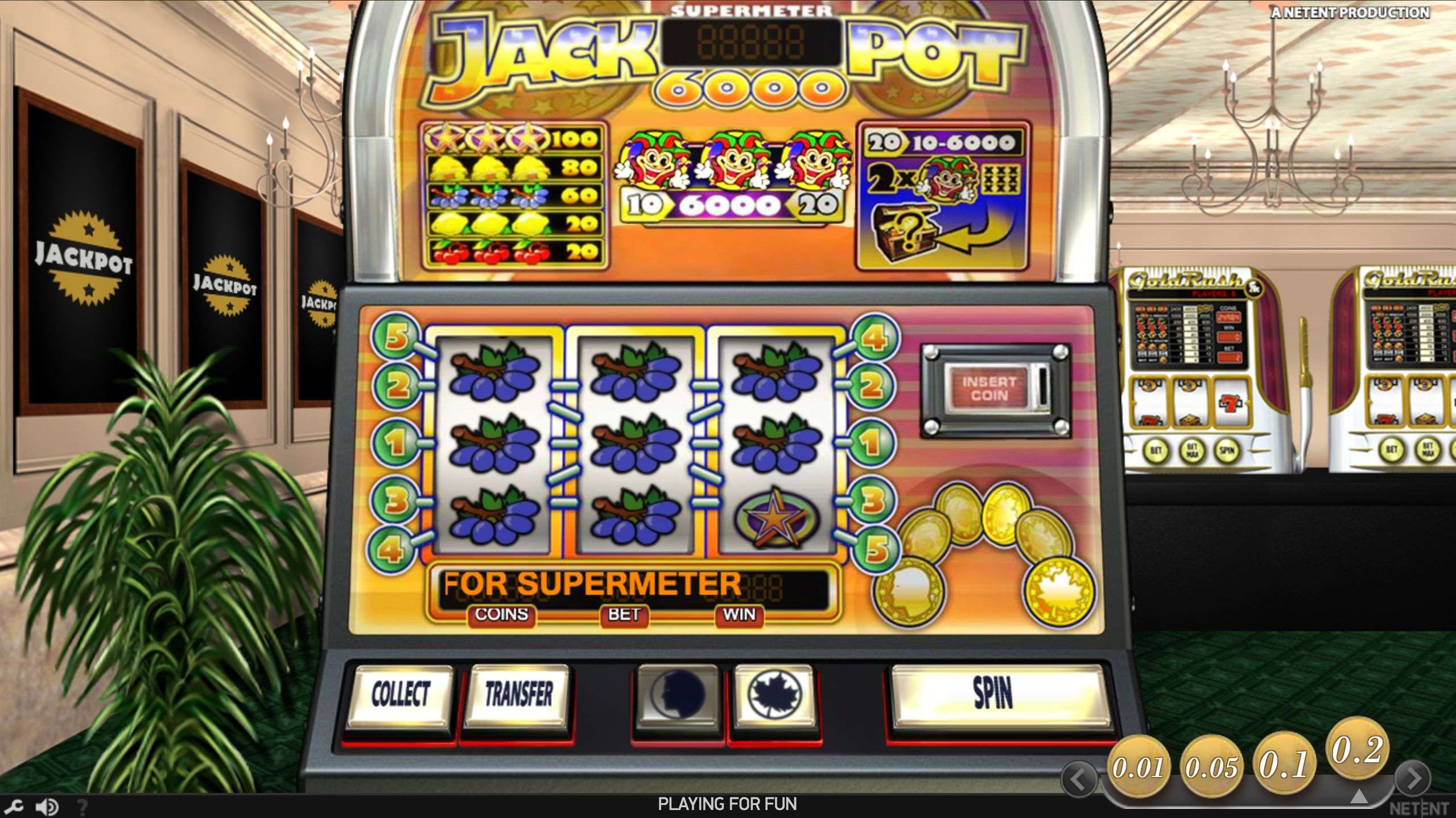
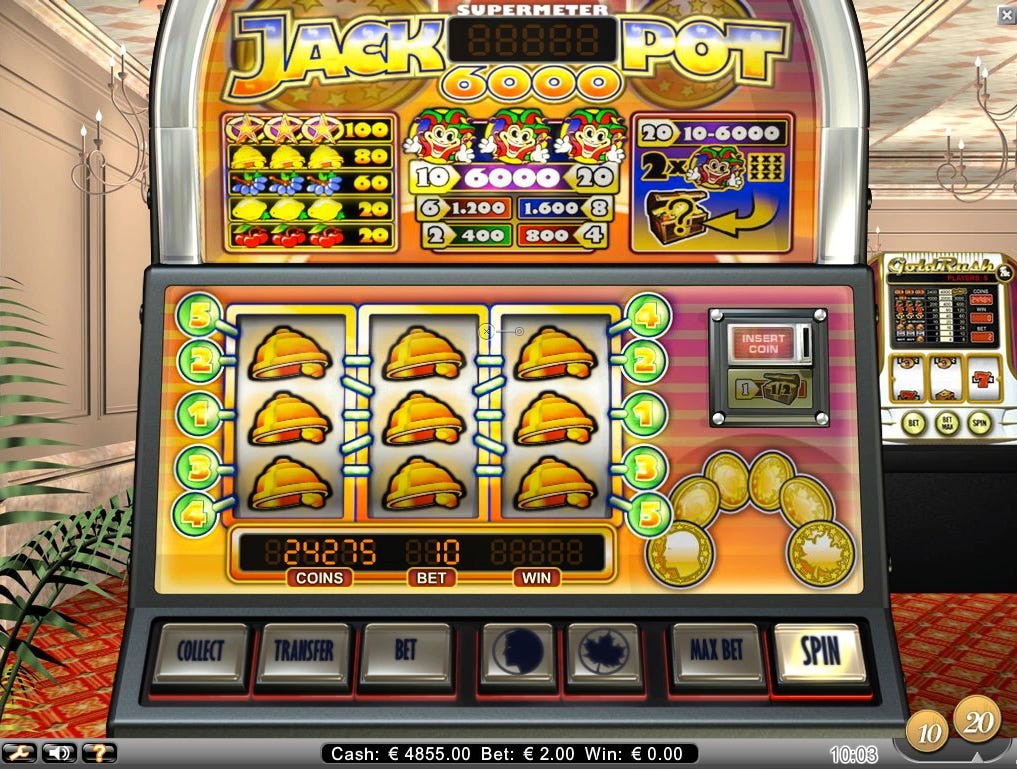
Jackpot 6000 Demo In Norway
Test Jackpot 6000 in free mode, understand symbols and pace, and only play in Norway when you are 18+ and have limits.
Why a Free Test Session Pays Off
Imagine sitting down to play 'a little', but ending up spending more time than planned because everything is on autopilot. A test session without real money gives you a breathing space: you can tap, stop, and start again without pressure, and you can use the time to understand how the game actually behaves. Many players only notice in test mode if they like the pace or if it's too fast (especially on mobile).
Instead of thinking about winnings, you do one thing: you observe. What does the screen look like when you change your bet, how clear is the information, and how easy is it to find the rules? Once you have answers to that, the next step becomes easier – whether you choose to continue or put the game away.
All promotional incentive structure is clearly stated in writing and/or via electronic means in an easily understood manner. All codes are accompanied by an explanation of what the code is for, who is eligible to use the code, and how it should be used. As such, players are less likely to be confused about what is required of them in order to receive a reward and how the reward will be applied after receiving it. The promotional incentives provided to participants provide them with time to become familiar with the gaming system's mechanics, their interface, and progress, before deciding how deeply they wish to become involved with this platform. Therefore, players are encouraged to participate in an informed manner, rather than being pressured or tempted to act quickly.
How to Use Rules and Info Menu
Imagine a feature triggers and you're not sure if you need to press something, or if everything happens automatically. Then the experience quickly becomes more stress than entertainment. Therefore, start with the info menu before you spin a lot: check the symbol overview, special symbols, and how winnings are calculated. It takes a short time, but saves you many 'why did that happen?' later.
Usually, players do the opposite: they spin first and read afterwards. Try a more practical sequence. Read the rules for one minute, play a few calm rounds, and go back to the rules when you've seen the mechanics in practice. Then you'll understand the text better, and you won't have to guess.
Jackpot 6000 Slot Demo: Get Started
Imagine you want to test the game as a quick check, not a whole evening. Then you need a simple start: find the bet button, find where to turn auto-play on and off, and set a stopping point before you begin. In Norway, it's wise to treat the testing phase as 'training' – you learn habits that also work when real money is involved, and you stick to 18+ limits.
Start With Calm Spins
If you start at a high pace, you learn less. Imagine scrolling past a text and then wondering what it was about – the same happens here when rounds go too fast. Play slowly at first, and give yourself time to see what actually yielded results. After five to ten rounds, you can stop and ask: Do I understand the symbols, and do I always see what the bet is?
Often, small things determine if you gain control: keeping your eyes on the bet field, avoiding quick presses, and taking short breaks before you get impatient. When you test this way, it becomes clear whether the game suits you or if you'd prefer something calmer.
Control Bet and Autoplay
Imagine you turn on autoplay 'just to see', but then the rounds go faster than you can keep up with. That's a classic. If you use automatic play, always set a fixed limit: number of rounds, and a clear stop rule when you notice your focus slipping. The goal is not to maximize spins, but to maintain control.
Change your stake only once during the test session. Many change back and forth and end up losing track. Instead, try this: play a short series at a low level, increase a little, play another short series, and then go back to a calm pace. Then you'll feel the difference without it becoming chaotic.
Imagine you want to finish after 10 minutes, but that's exactly when something exciting starts. This is where a predetermined stop point helps. Decide on one thing that ends the session – for example, a fixed number of rounds or an alarm – and stick to it no matter what. When you do this consistently, you teach your body that "end" is a routine, not a defeat.
Use breaks actively. Stand up, drink water, and check if you are still playing consciously. If you notice that you just want to continue without knowing why, the break is already the answer.
Imagine getting several good rounds in a row and suddenly speeding up without thinking. That's normal, but it's also when mistakes happen: you click too fast, change your stake unintentionally, or forget the time limit. Consciously slow down when you feel excitement. It might feel a bit "boring," but that's what keeps you in control.
If you're playing with others in the room, or have notifications flashing, haste becomes even easier. Turn down distractions before you start, and make it easier to keep the session short.
From Test to Account in Norway
Imagine you've tested enough to know that the game is easy to use, and now you're considering real money. The safe transition is surprisingly simple: account first, security next, limits before deposit. Many jump straight to depositing because they want to get started, and then they have to sort things out in the middle of the session.
In Norway, 18+ is a fixed framework, and it's smart to treat account setup as part of the game. When you spend five minutes on security and limits, you won't have to rely on willpower later.
Registration, Age and Security
Imagine you want to end the evening with a withdrawal request, but are told that the account must be verified first. That's annoying, especially when you're tired. Therefore, do the basics early: fill in data correctly, choose a strong password, and activate extra verification if available.
Keep your account private. Log out after the session, avoid saving passwords on shared devices, and use a screen lock at home. It's a simple way to ensure that 18+ is actually adhered to in practice, not just in theory.
Deposit With Budget First
Imagine you've decided on a small amount, but in the moment it feels tempting to add more. This is where budgeting before depositing helps: decide the amount before opening the payment menu, and stick to the plan. Choose a payment method you know and trust, and avoid doing this under stress or on an unstable network.
Start small. A short, controlled session gives you more learning than a long session where you improvise. Once you've played with real money a few times, you can consider whether the limits should be adjusted – but always outside of the session itself.
Withdrawal And Practical Controls
Imagine you want to withdraw part of your balance, but become unsure of the steps and click around too fast. Then the risk of errors increases. Instead, do it neatly: end the session, go to withdrawal, select the method, and follow the instructions calmly. Do not change methods in the middle of the process without reason; it often creates extra checkpoints.
If something is unclear, stop and ask customer support with specific details: what you tried, when it happened, and what device you are using. The more precise you are, the faster you will get help, and the less the temptation to "fix" with random clicks.
Responsible Gaming: Limits And Tools
Imagine you start with a plan, but after a while you play more to keep the feeling going than to have fun. That's when the tools matter most. Instead of relying on yourself to always make good choices in the moment, you build in stop buttons: time limits, deposit limits, loss limits, and breaks. In Norway, you should also respect 18+ as an absolute line and play within current frameworks.
Many believe responsible gaming is about playing "little". In practice, it's about playing consciously – knowing when you start, why you play, and how you finish.
|
Tools |
What It Does |
At Your Convenience |
|
Bet Limit |
Keeps round bets at a selected level |
When you notice yourself increasing impulsively |
|
Deposit Limit |
Sets a cap per day or week |
To avoid topping up under stress |
|
Loss Limit |
Stops the session when you have reached a selected loss |
When you want to prevent 'chasing' |
|
Session Timer |
Notifies when time is up |
If you often lose track of time |
|
Timeout |
Locks access for a period |
When you need a clear break |
|
Self-exclusion |
Closes gaming for a longer period |
When control slips repeatedly |
A Budget That Actually Works
Imagine you set a budget that's 'reasonable,' but then it suddenly feels small when you're in the middle of a game. That's why the budget should be concrete and easy to follow. Choose an amount that doesn't affect bills or everyday finances, and decide that it's the price for entertainment, regardless of the outcome.
A practical step is to divide it up: one amount per session, not one large amount for the entire week. This makes it easier to stop. And if you feel yourself starting to negotiate with yourself, it's a signal that the session should end.
Timeframes, Breaks, and Reality Checks
Imagine you say 'just ten minutes,' and then an hour has passed. This often happens because the game is easy to continue with, not because you made a conscious choice. Therefore, set a clear timeframe before you start, and use reminders that break the flow. A phone alarm can be enough.
Take a break halfway through. Stand up, look away from the screen, and ask yourself: Am I still having fun, or am I just continuing to play because it's the easiest thing to do? When you ask that question regularly, it becomes much easier to stop in time.
Timeout and Self-Exclusion
Imagine you notice yourself playing to relieve stress, or that you start chasing losses. Then a timeout is a concrete tool that removes the choice in the moment. Choose a break long enough for you to actually calm down, not just 'two minutes' before you're back.
If the pattern repeats, self-exclusion is a stronger solution. It gives you a longer distance from gaming and makes it easier to get an overview. It's not dramatic, it's practical, especially if you want to take control before it becomes a problem.
When You Should Ask for Help
Imagine you've tried limits and breaks, but still think about gaming when you're not playing. Then it's smart to talk to someone early. Many start with a person they trust, or with healthcare professionals, to get support and structure.
The point isn't to prove anything. The point is to regain peace of mind. Combine help with concrete measures like timeout or self-exclusion, and make it easier for yourself to follow the plan.
Technical Check on Mobile and PC
Imagine the game is lagging, and you press twice because you thought it didn't react. Suddenly, you've done something you didn't intend. To avoid such situations, clean up before you start: updated browser, fewer tabs, stable internet, and enough battery. On mobile, it also helps to silence notifications and close background apps.
If you switch between mobile and PC, test briefly on both. Your habits can change with the screen: on mobile, you often become more impulsive; on PC, the session often becomes longer. This is useful to know before you play with real money.
Summary and Next Steps
Imagine you finish the test and can say: 'I understand how this works, and I stopped when I decided to.' That's the goal. Use free mode to learn buttons, symbols, and tempo, set limits before you make a deposit, and stick to 18+ in Norway. If it becomes difficult to stop, take a break early – it's easier than cleaning up later.
FAQ
How do I test the game without risking money?
Start with test mode and play a fixed number of rounds at a calm pace, so you get an overview of bets and features. Stop after a few rounds and check the rules again.
What should I look for in the rules before I play?
Look for which symbols are special, how winnings are calculated, and if there's any automation that can go too fast. Consider if you like the rhythm before you proceed.
Which limits are smartest to set first?
Set a timeframe and a budget per session, and include a stop rule for losses. This makes it easier to stop when you otherwise would have continued on impulse.
What do I do if I feel like chasing losses?
End the session immediately and take a break that lasts long enough for the feeling to subside. Timeout or a longer block can be useful if it happens often.
Is it safe to play on mobile when I'm out?
It can be safe if you have a screen lock, stable internet, and play short sessions without stress. Avoid transactions when you are distracted, and log out afterwards.
When should I contact customer support?
Contact customer support when something is unclear regarding your account, payment, or technical errors, and be specific about what happened and when. The more precise you are, the easier the help will be.